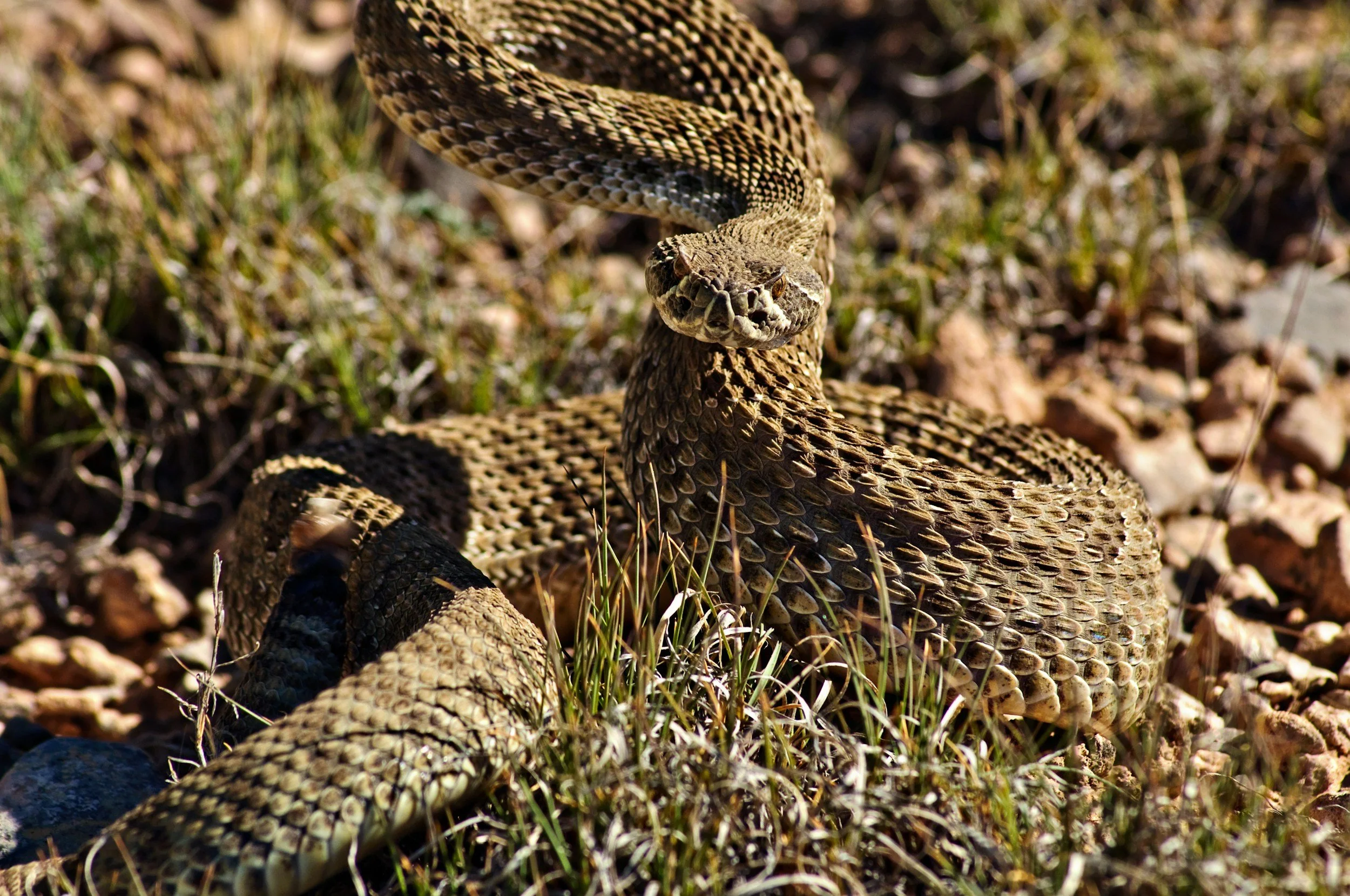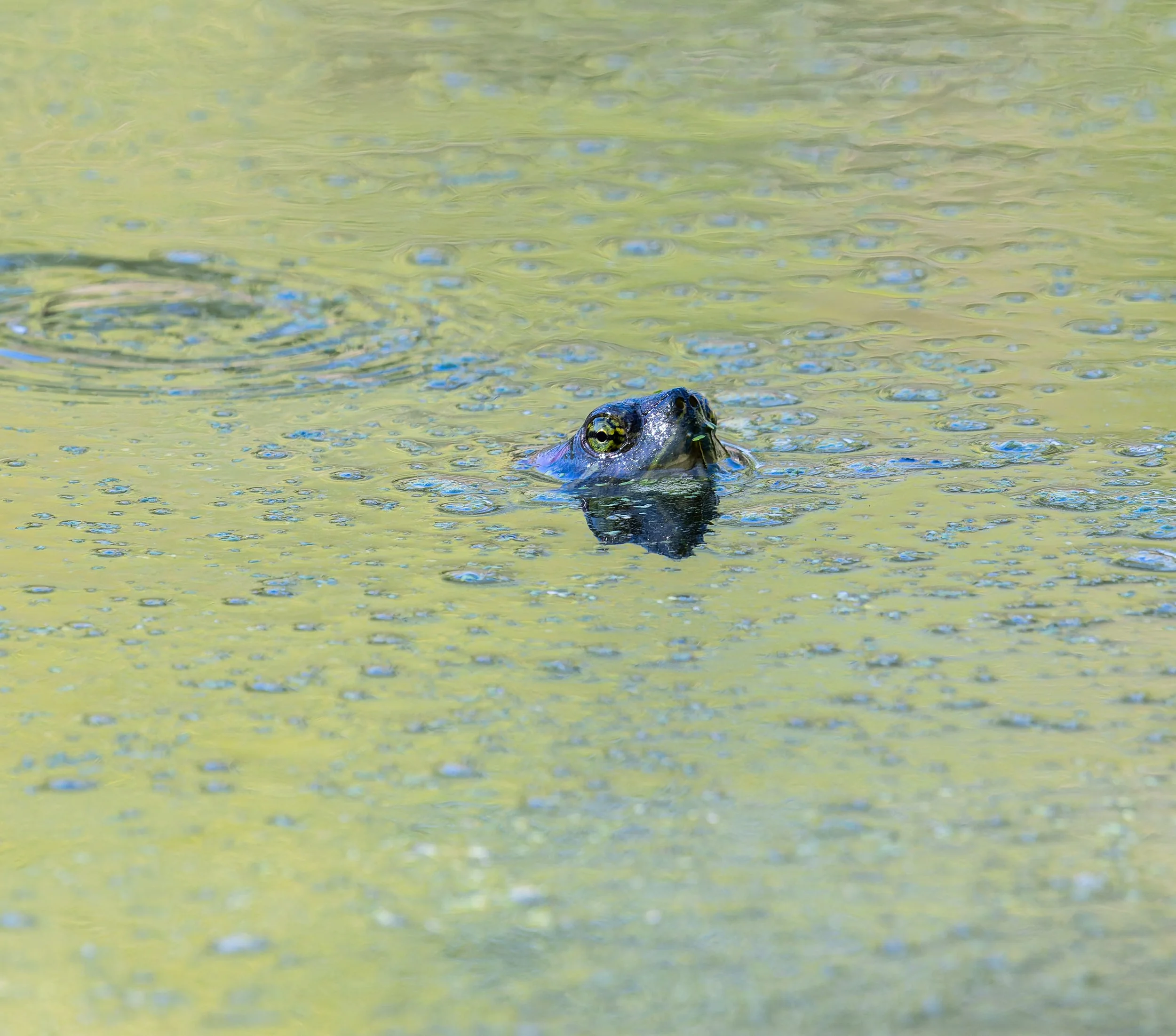
WILDLIFE
Every species plays a part in the balance of Southern California’s ecosystems. By protecting land, we ensure that wildlife has the space to live, migrate, and adapt for generations to come.
Southern California’s preserves are living classrooms, where the natural world thrives just beyond our backyards. These protected lands provide crucial habitat for native wildlife — offering food, shelter, and safe passage through a region that continues to grow and change.
Our 4,000 acres are home to all sorts of flora and fauna. Use our handy guide to learn about them all!
-
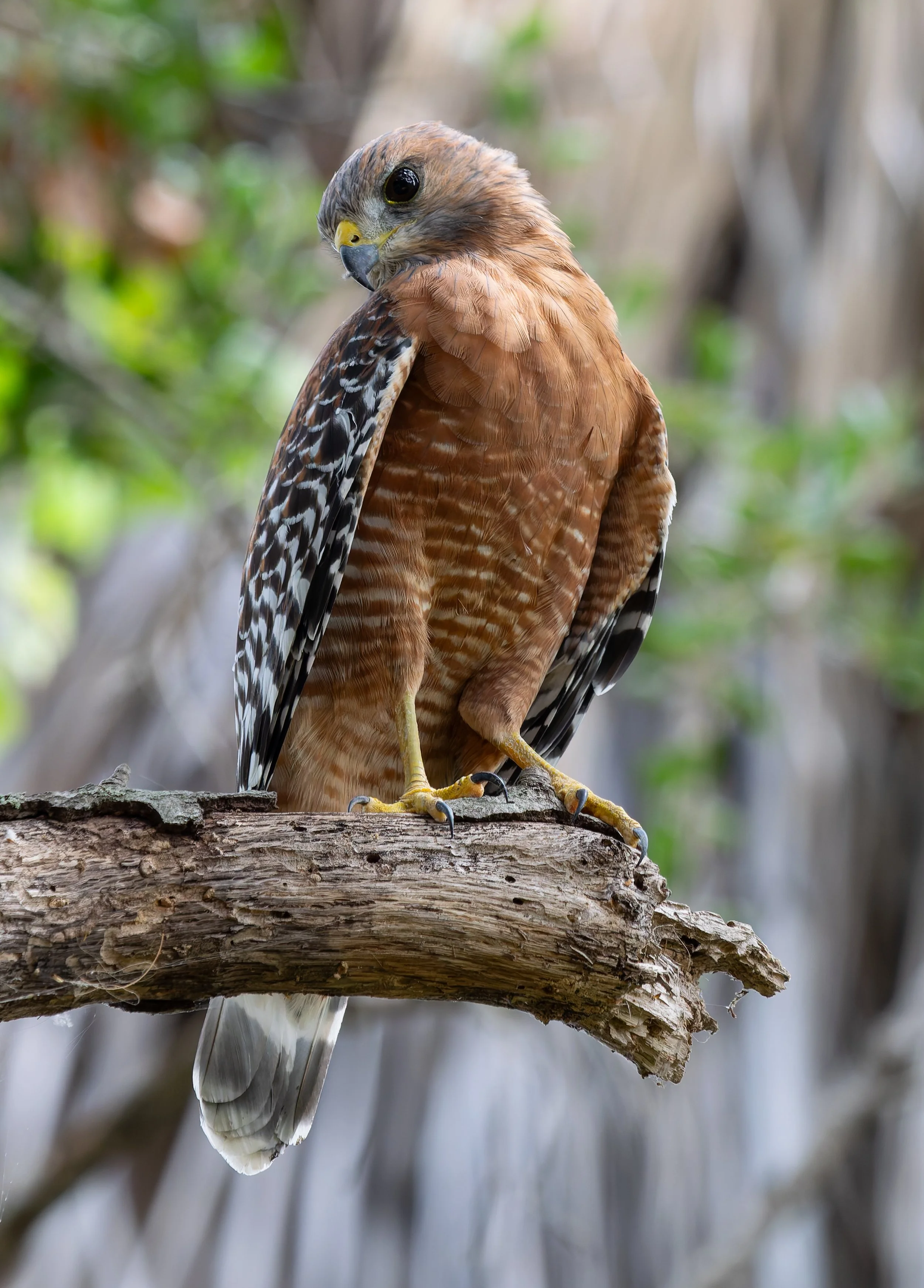
California Red-tailed Hawk
(Buteo jamaicensis)
Conservation status: Least Concern (Population increasing)
-
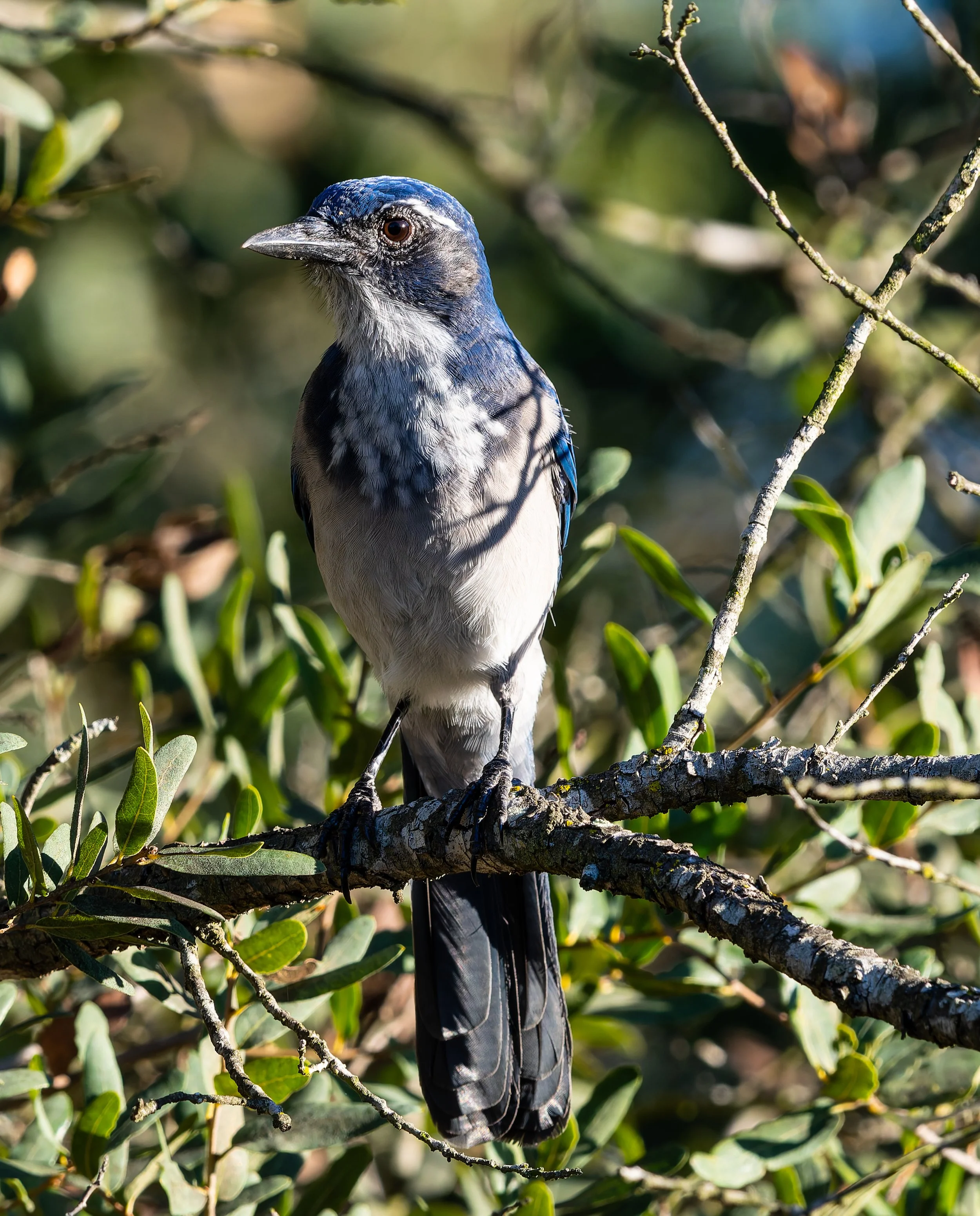
California scrub jay
(Aphelocoma californica)
Conservation status: Least Concern (Population stable)
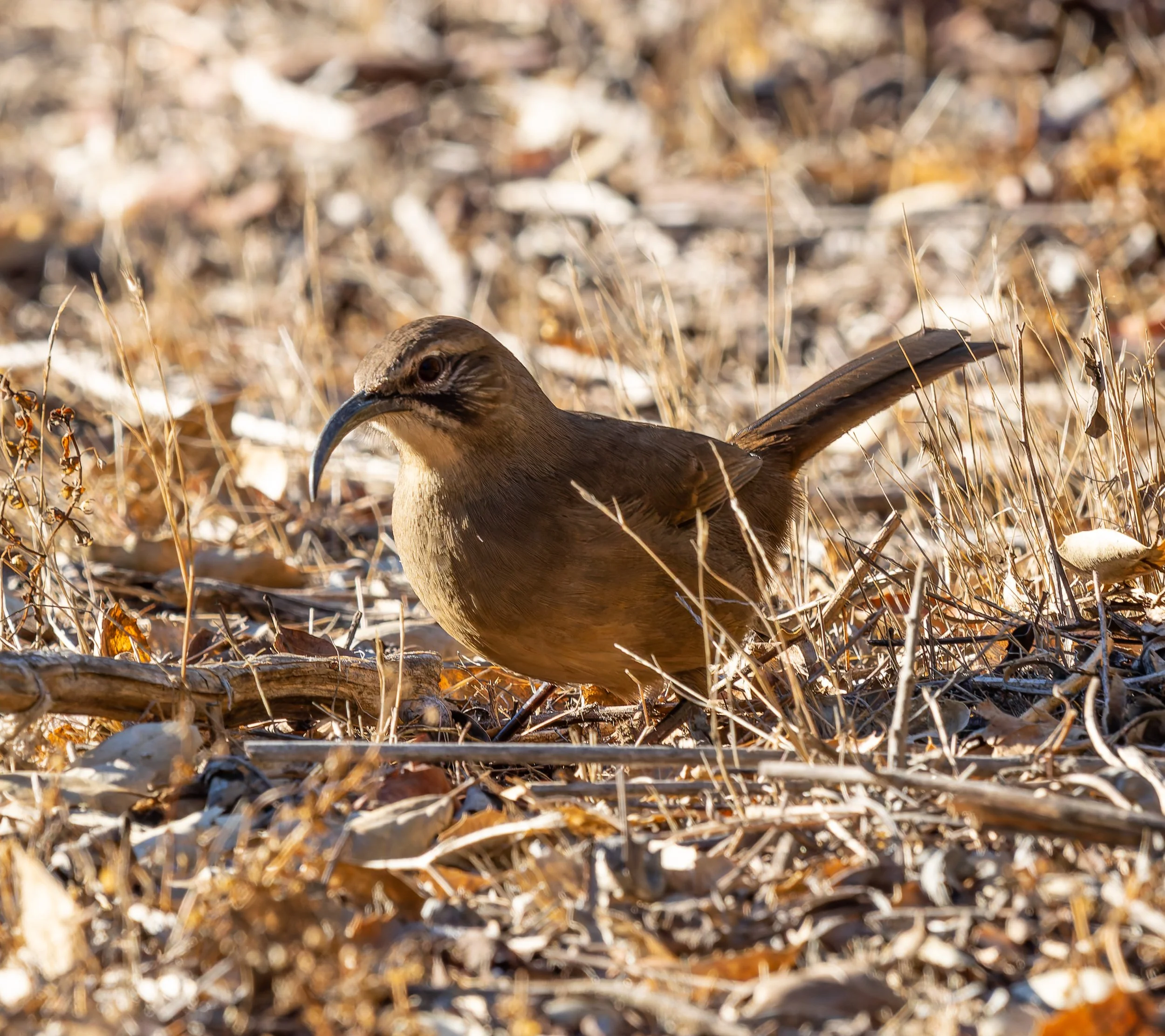
-
California thrasher
(Toxostoma redivivum)
Conservation status: Least Concern (Population decreasing)
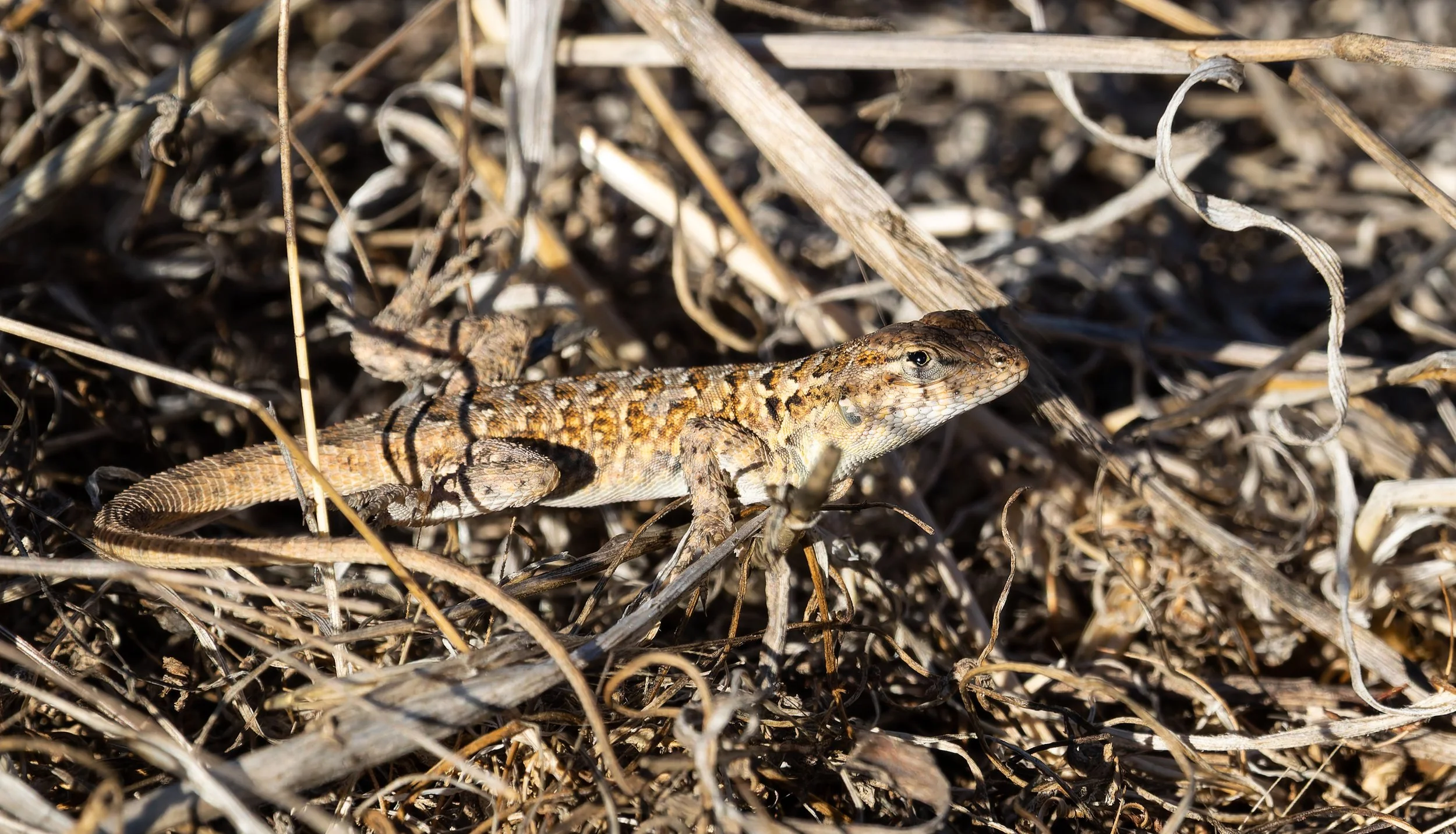
-
Side-blotched Lizard
(Uta stansburiana)
Conservation status: Least Concern (Population stable)
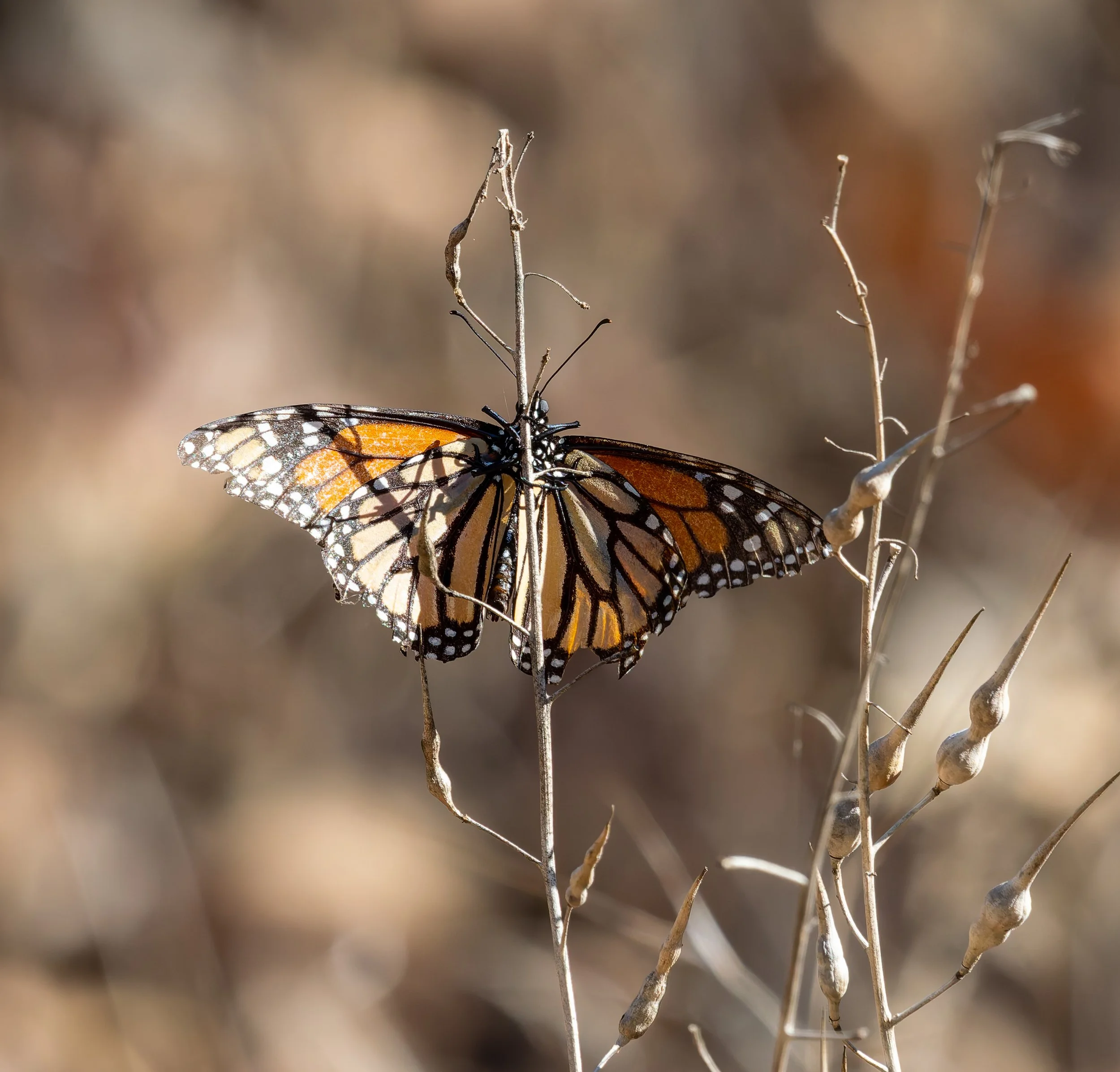
-
Monarch Butterfly
(Danaus plexippus)
Conservation status: Regionally threatened
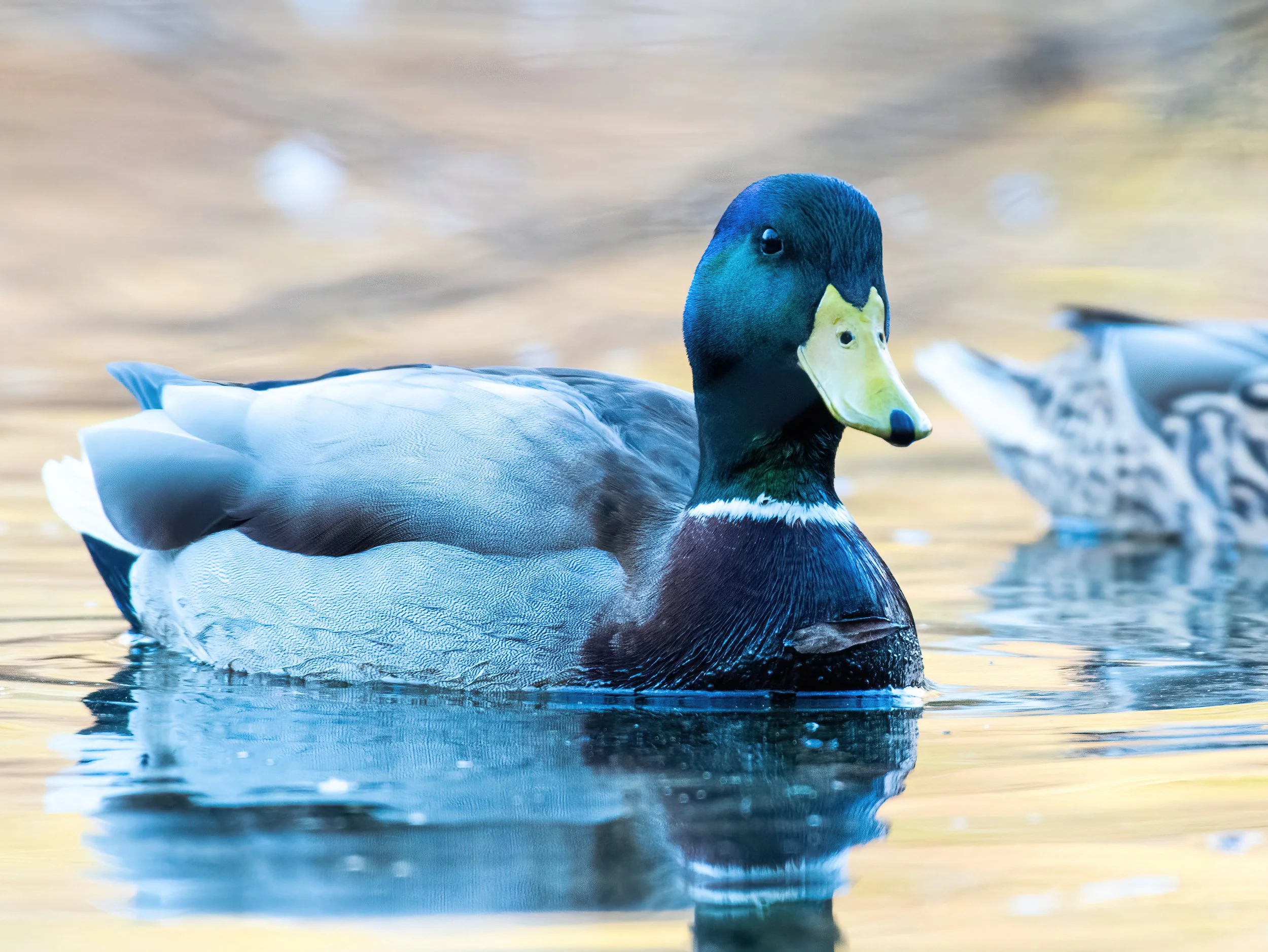
-
Mallard
(Anas platyrhynchos)
Conservation status: Least Concern (Population decreasing)
-
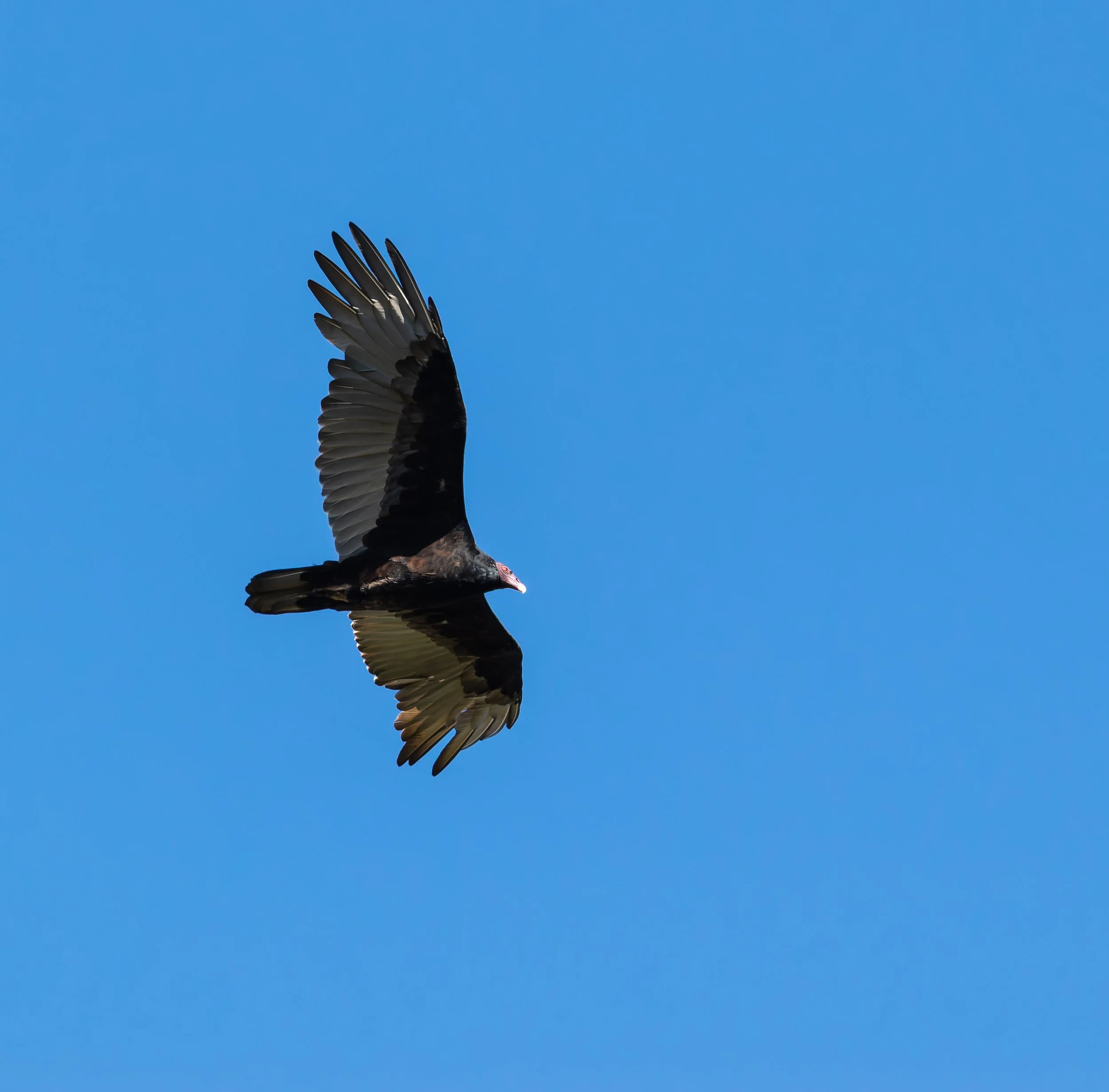
California Turkey Vulture
(Cathartes aura)
Conservation status: Least Concern (Population stable)
-
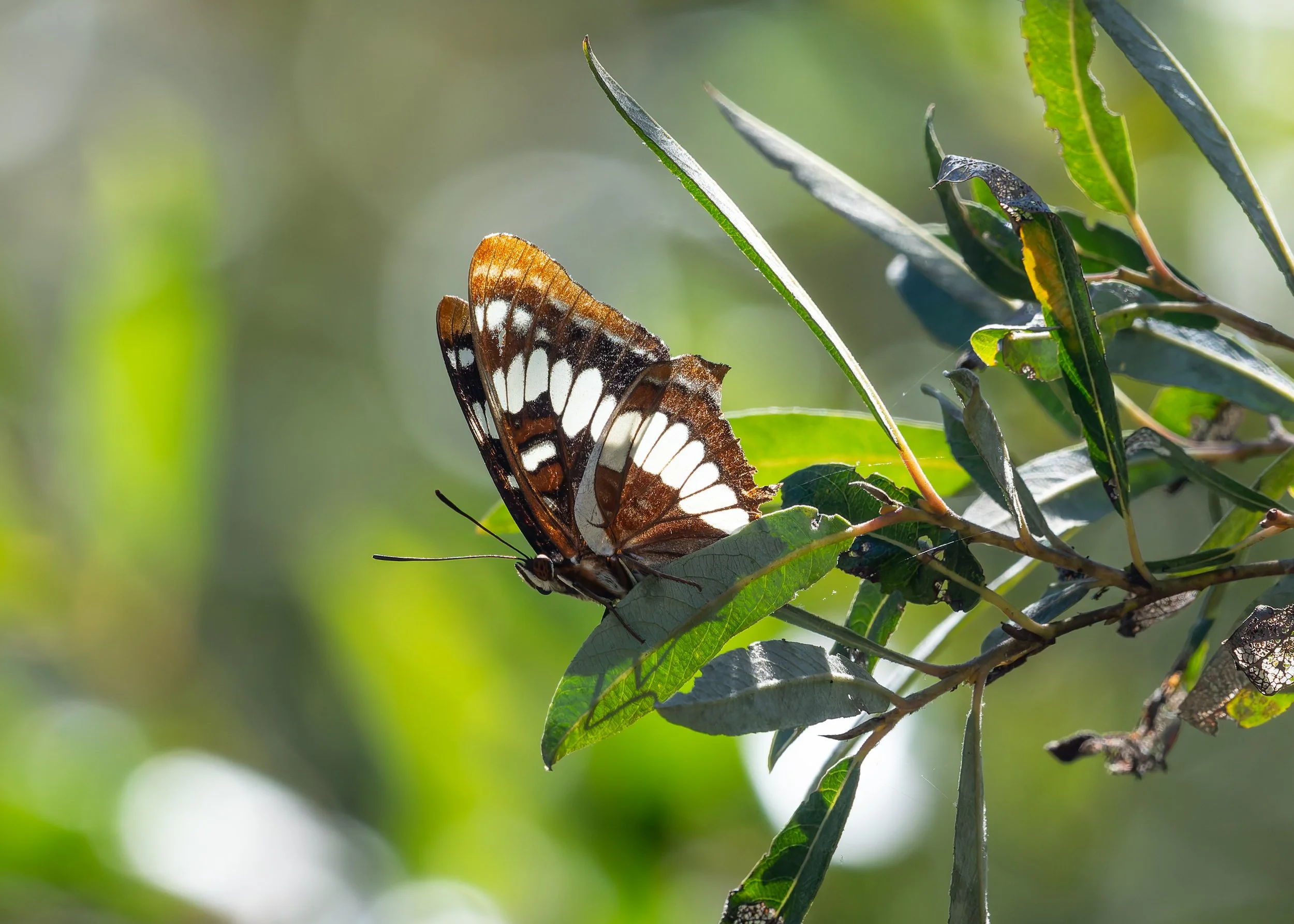
Lorquin's admiral
(Limenitis lorquini)
Conservation status: Least Concern
-
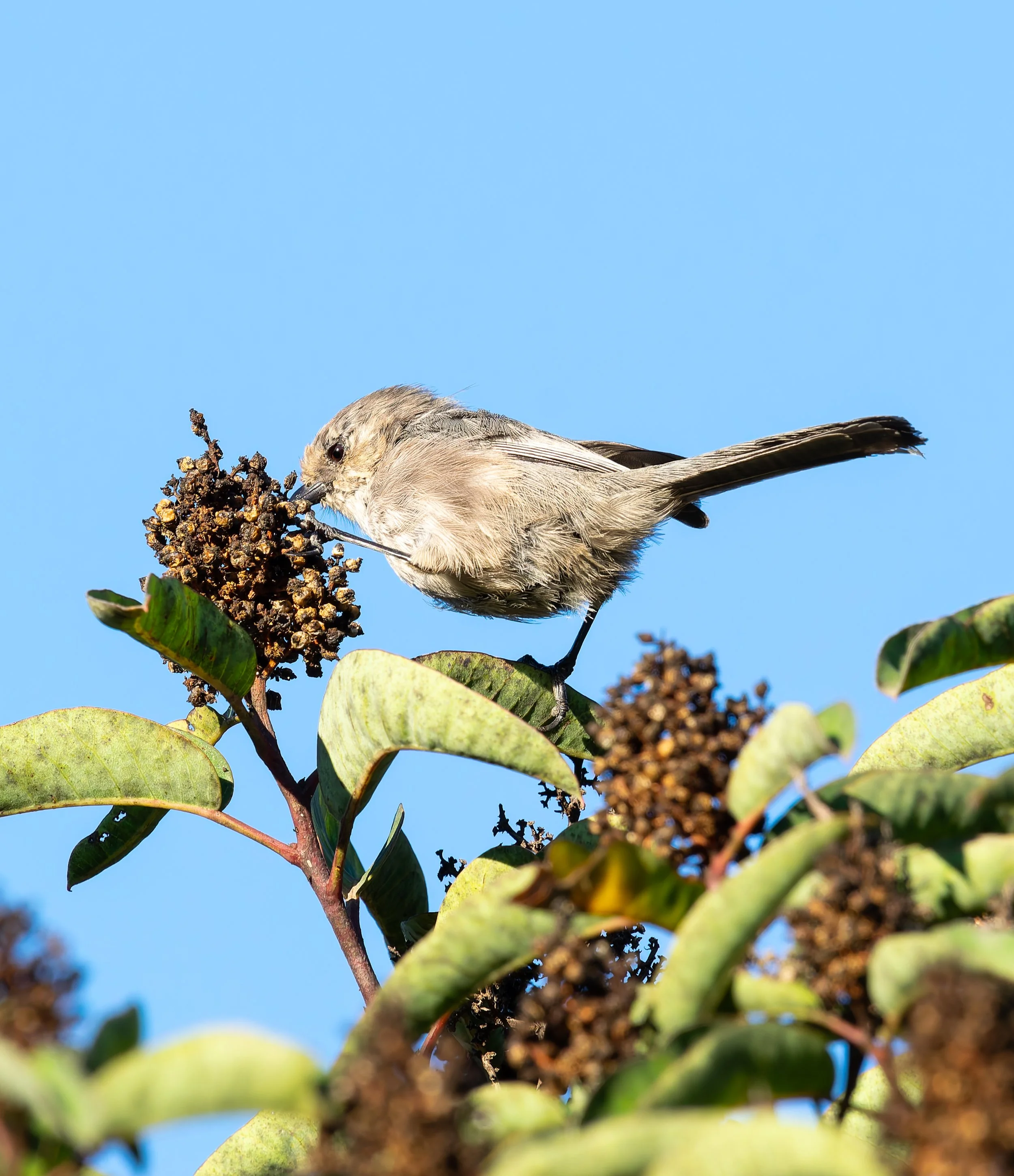
Mallard
(Psaltriparus minimus)
Conservation status: Least Concern
Learn & Report
For a complete catalog of all the animals that have been spotted on our preserves, click on the links.
If you think you've seen a bird or animal not currently listed here, please contact us. Please record the animal name and which preserve you saw it on so we can record your findings!
Your observations matter.
Each observation in Fallbrook and across Southern California helps track the health of our local ecosystems — from seasonal bird migrations to the bloom cycles of native plants. These insights help the Fallbrook Land Conservancy and other conservation groups make informed decisions about habitat protection, restoration, and wildlife management.
Platforms like iNaturalist and eBird transform everyday observations into valuable scientific data. When you record a bird call, snap a photo of a wildflower, or identify a butterfly, you’re contributing to a global database used by researchers, educators, and land stewards to monitor biodiversity and environmental change.
Both platforms are powerful tools for learning. iNaturalist helps you discover and identify species with help from the community, while eBird connects you to real-time bird sightings, hotspots, and migration patterns. Sharing your observations builds knowledge, fosters curiosity, and connects you to people who care about the same wild places.
Wildlife Reporting
San Diego County is one of the most biologically diverse regions in the United States, home to a remarkable number of native species and habitats. Because of this, the county offers a wide range of wildlife resources that support conservation, education, and community engagement.
San Diego County hosts over 200 threatened or sensitive species. Understanding available resources helps residents support protection efforts, avoid impacts on sensitive habitats, and appreciate the region’s rarity.