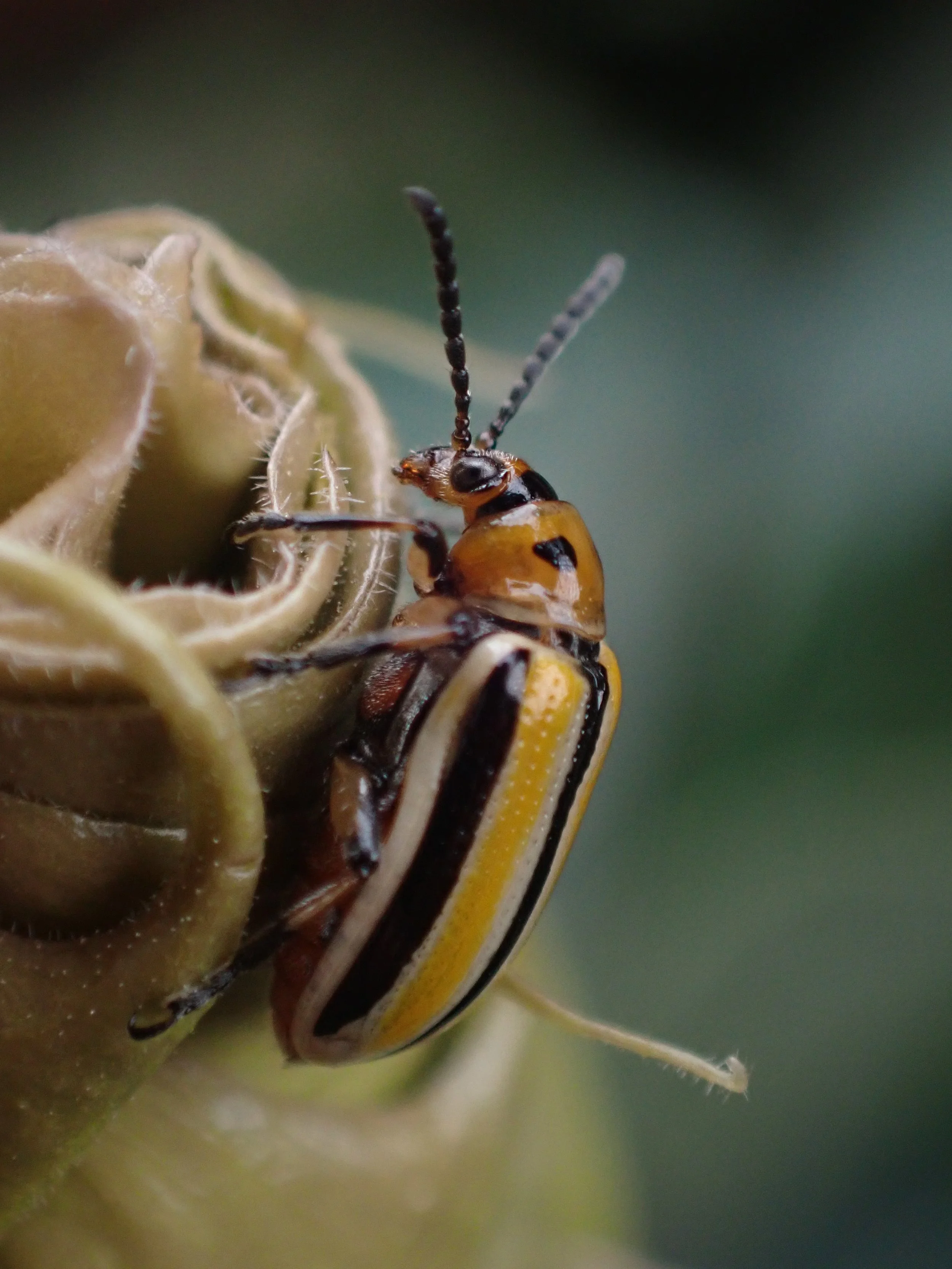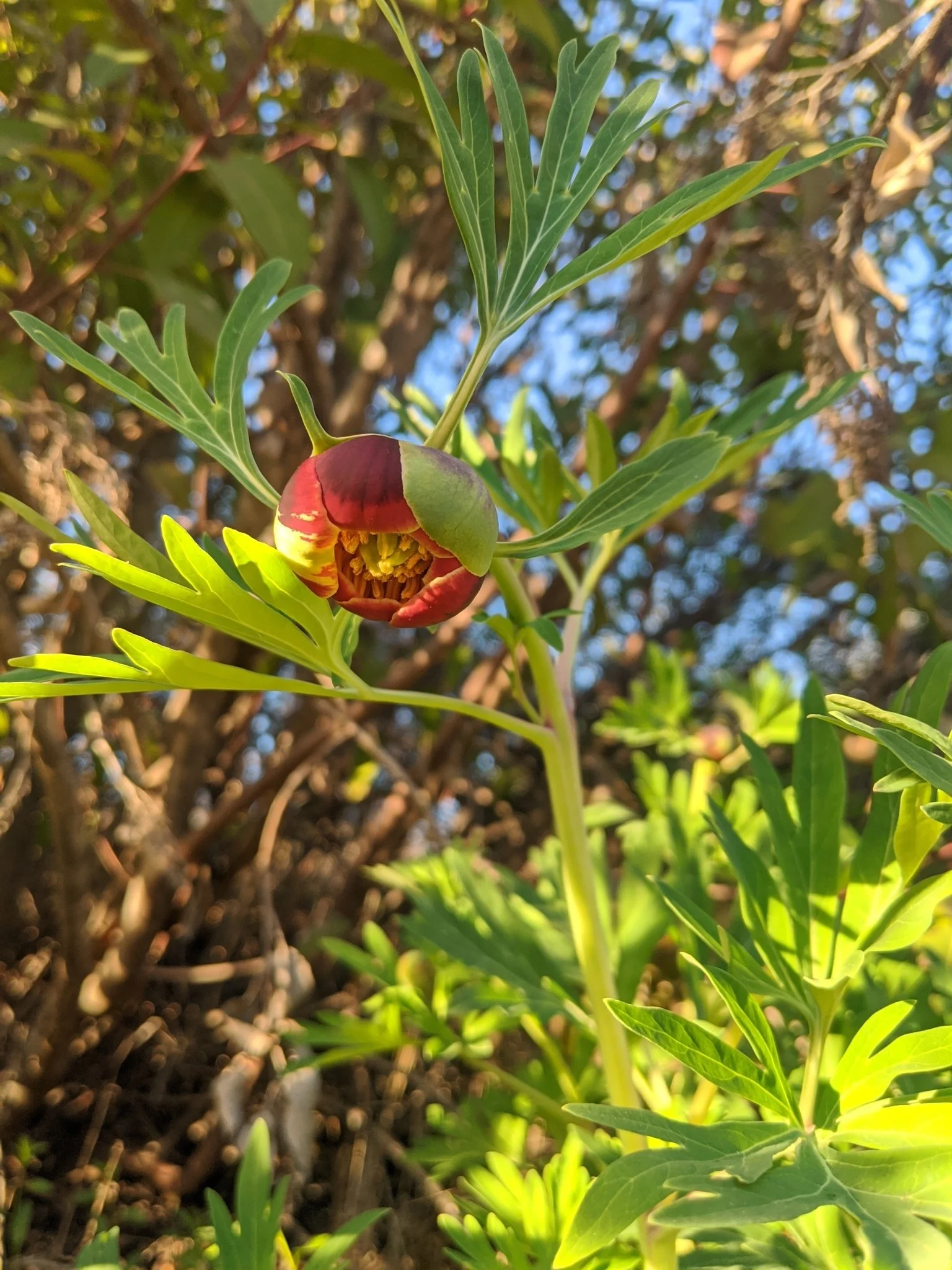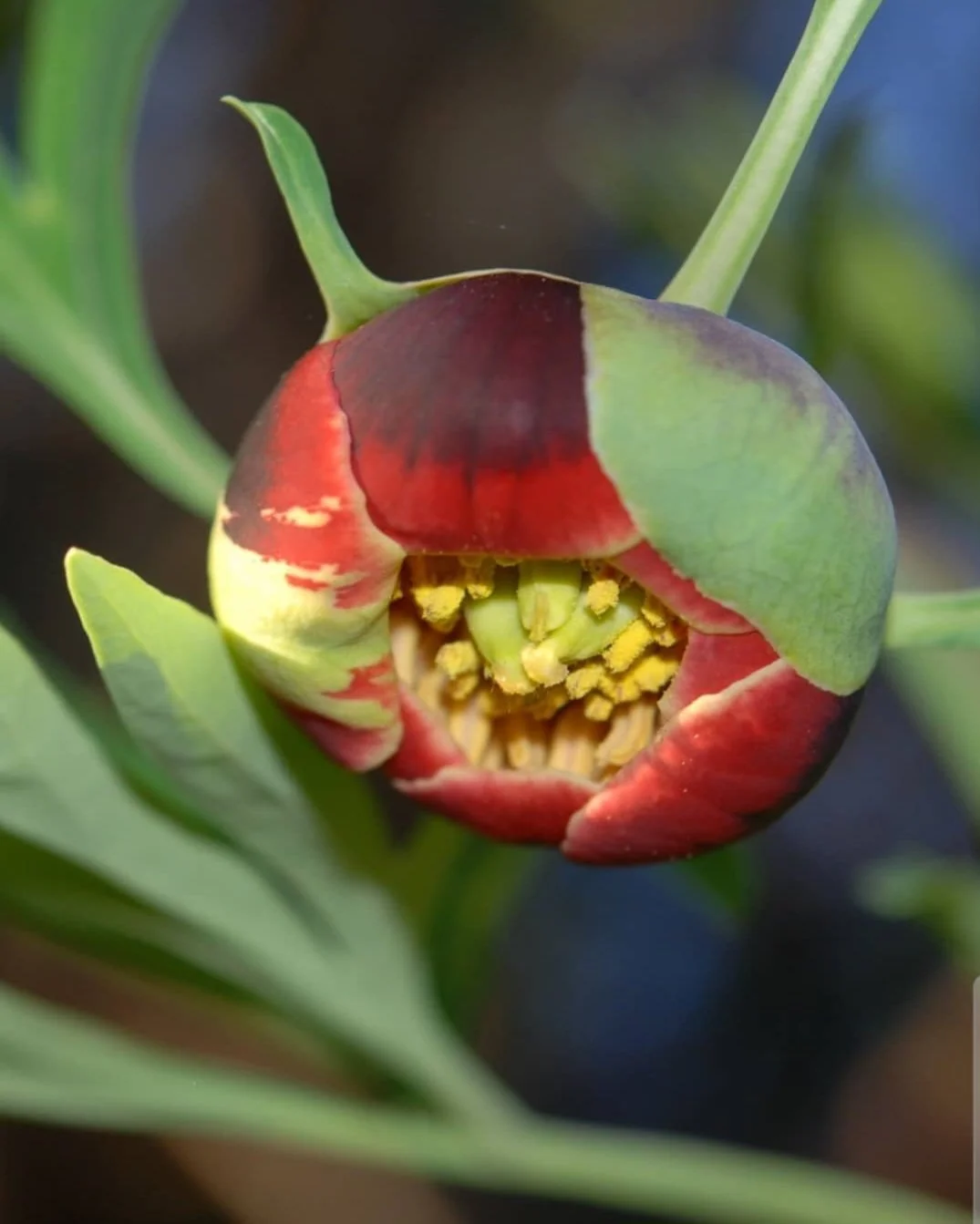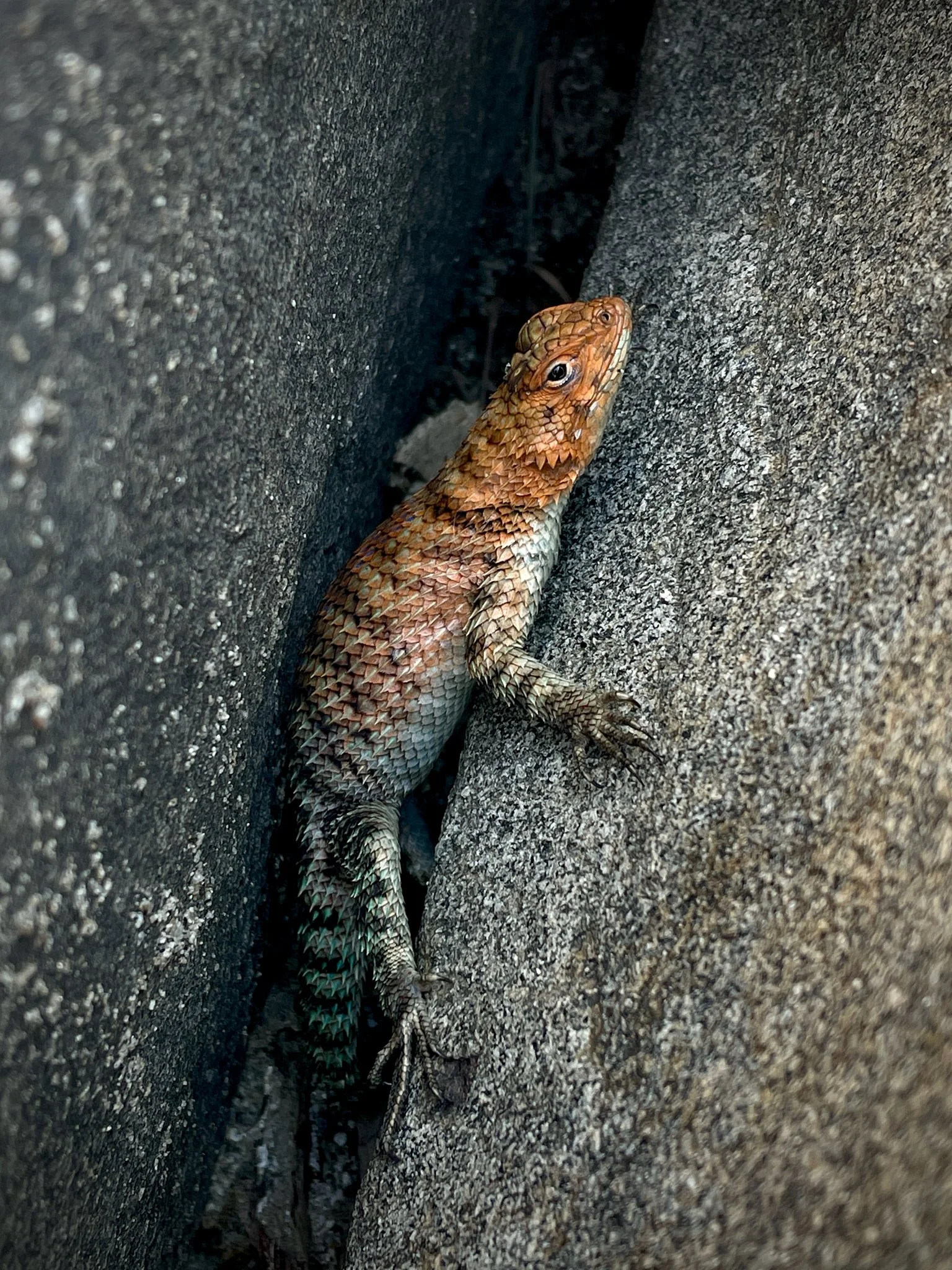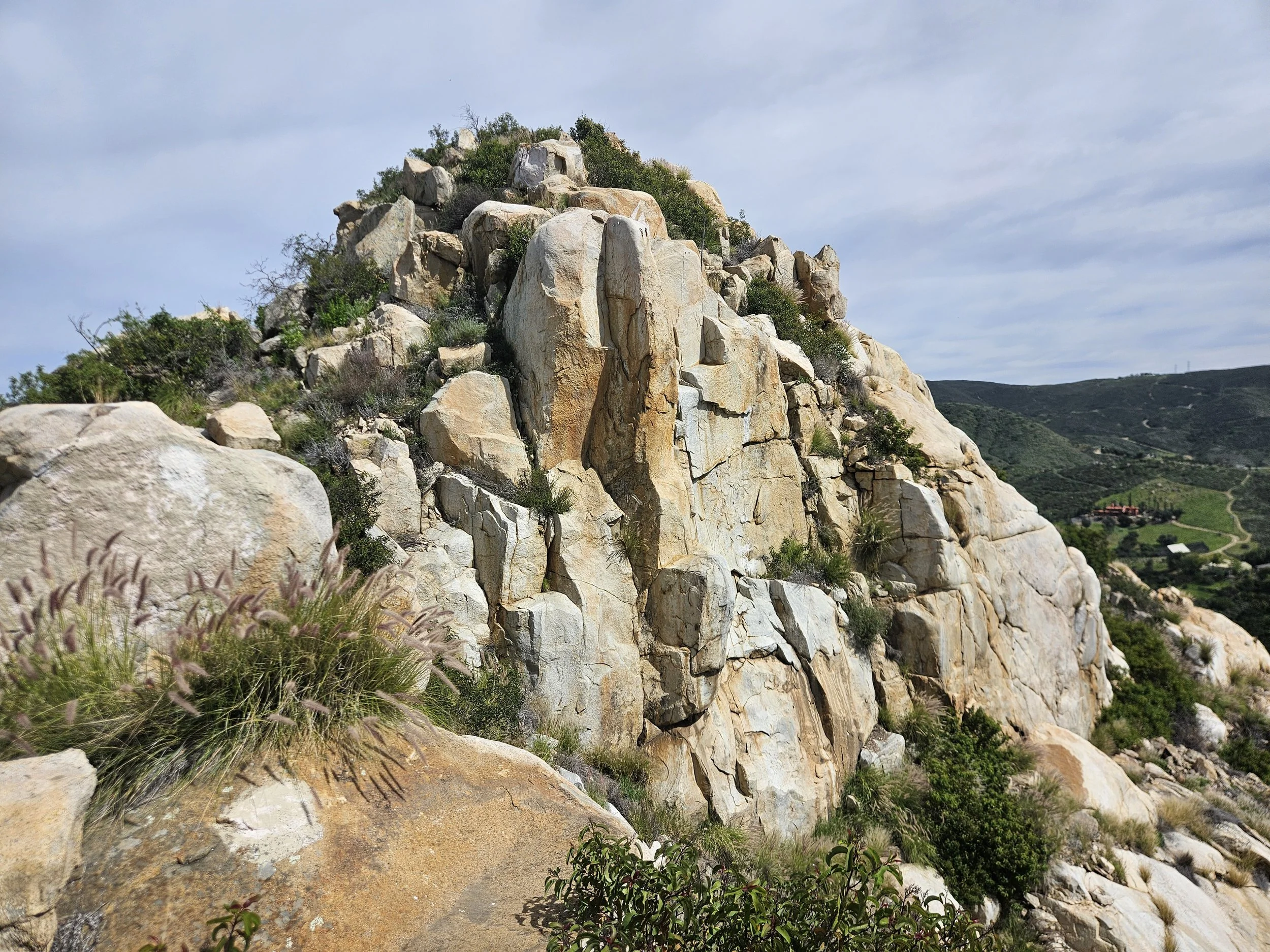
Rock Mountain Preserve,
Sandia Creek Dr, Fallbrook, CA 92028
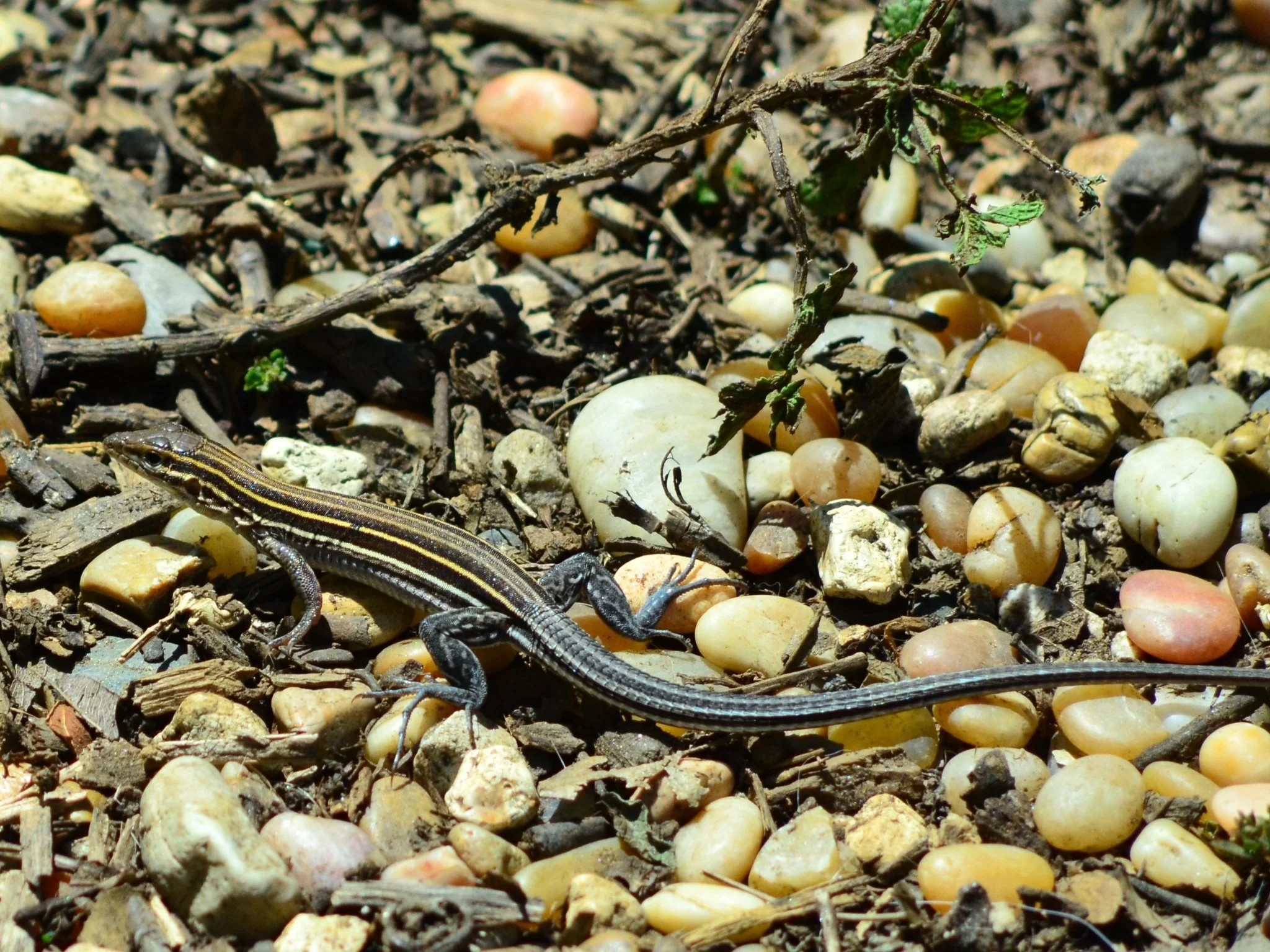
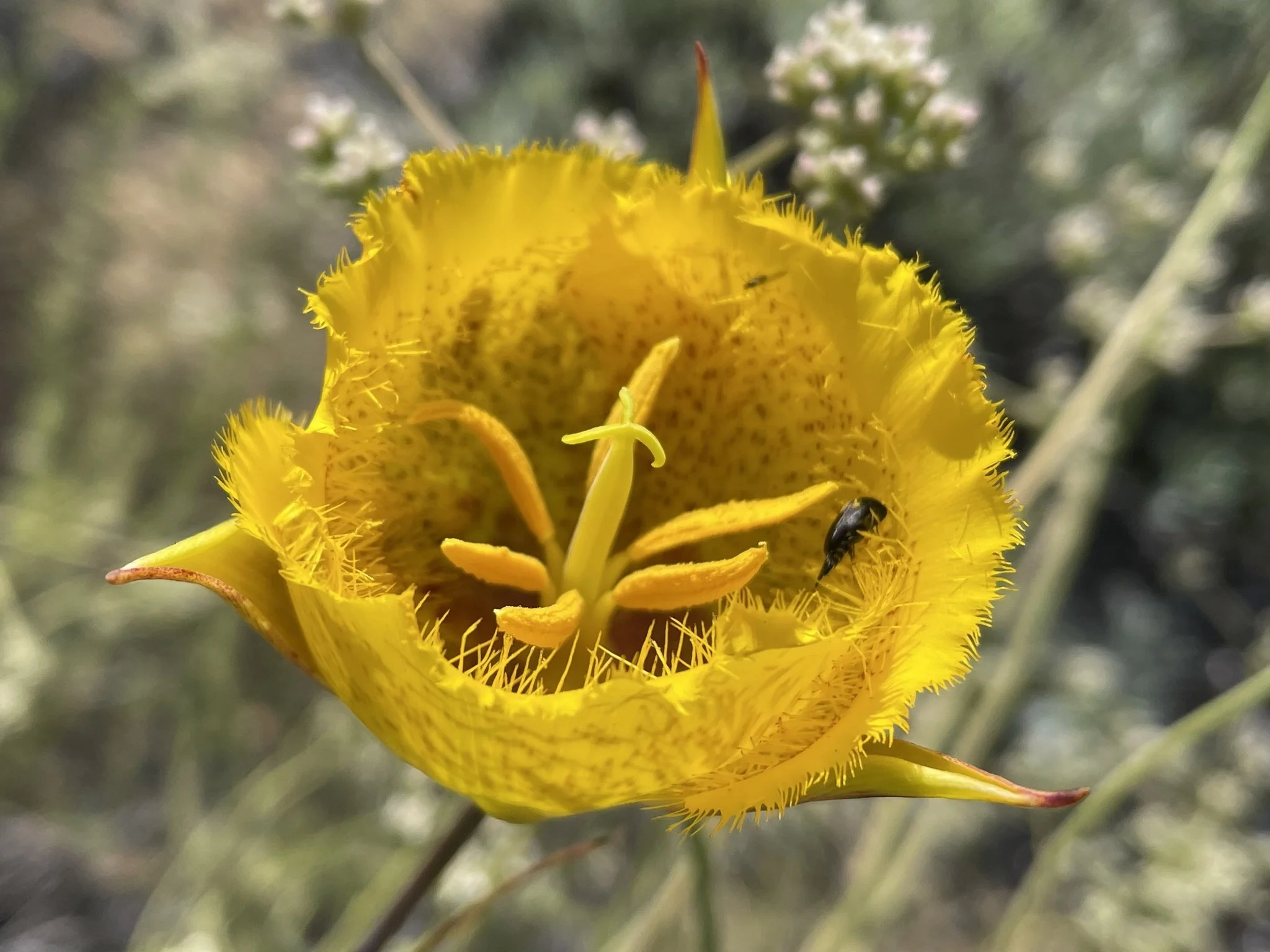
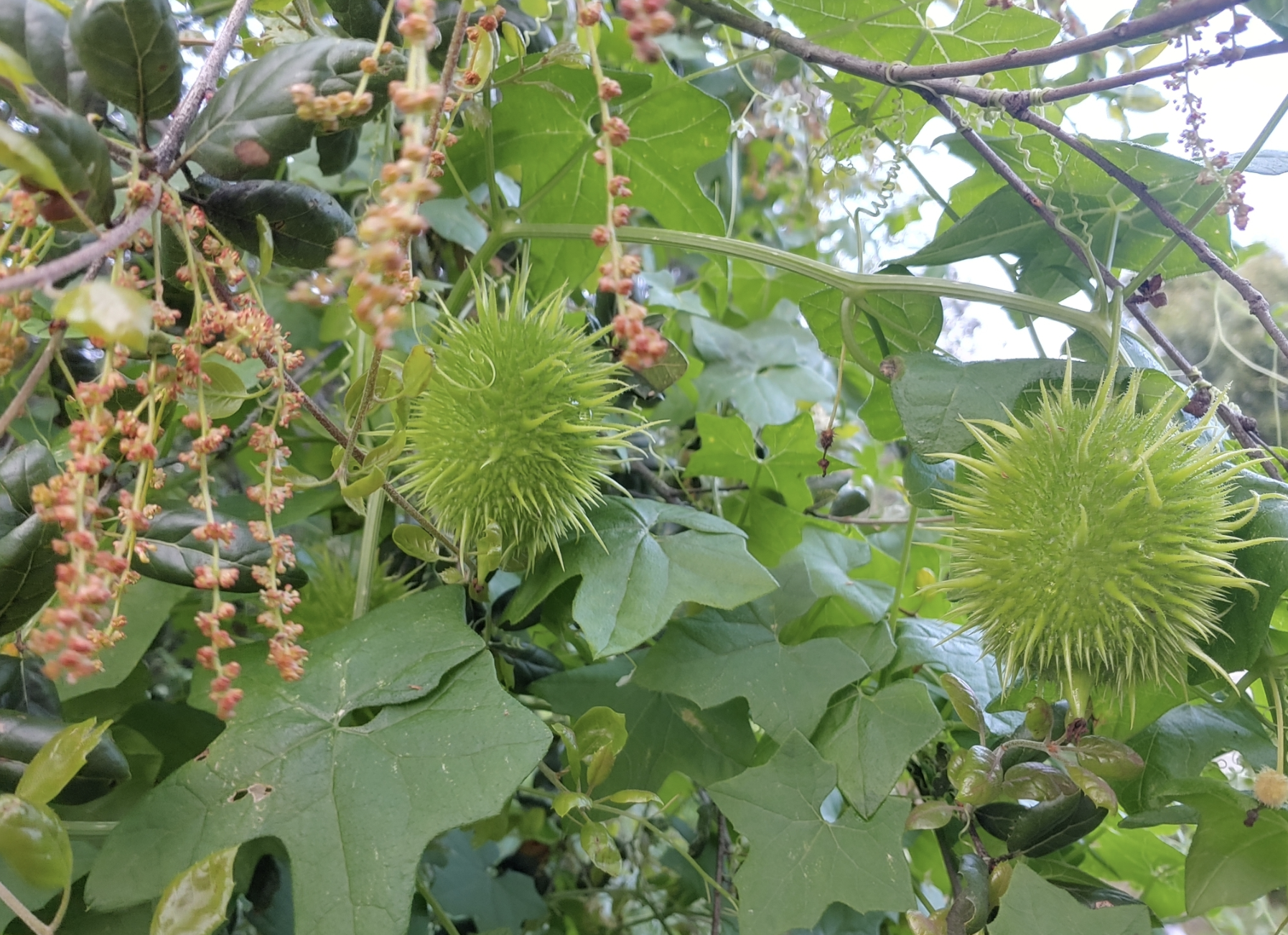
The 78-acre preserve is situated in the Santa Margarita River Valley and is home to coastal California gnatcatchers, red diamond rattlesnakes, mule deer, and mountain lions.
Photographs by Kristen Richardson
November 6, 2025
RE: Opposition to the Proposed Golden Pacific Powerlink Project As Presented
To the California Public Utilities Commission and SDG&E:
Fallbrook Land Conservancy recognizes the importance of reliable electrical infrastructure to meet the growing energy needs of Southern California. We also have a responsibility to protect the natural habitats, wildlife corridors, watersheds, and open spaces that make San Diego County environmentally valuable. We believe these objectives can and should be pursued together, rather than treating energy infrastructure and environmental conservation as mutually exclusive.
Fallbrook Land Conservancy is opposed to the Golden Pacific Powerlink as presently proposed, based on the information and alternatives made available to date. We believe a project of this magnitude, with permanent environmental consequences, deserves a broader and more transparent examination before proceeding.
Our concerns fall into three distinct categories: (1) the larger question of whether this transmission line is necessary at all, (2) the local question of how to minimize environmental damage if it is ultimately constructed, and (3) the fairness of the imbalance between regional benefits and local environmental consequences.
1. The Larger Question: Is This Transmission Line Necessary?
The Golden Pacific Powerlink originated in the California Independent System Operator's (CAISO) statewide transmission planning process. SDG&E is responsible for developing the project, but the underlying energy policies and planning decisions extend beyond the utility. We are concerned that publicly presented alternatives have focused primarily on different geographical routes for essentially the same transmission solution, rather than sufficiently examining other ways to meet California's energy requirements.
California's long-term energy policies emphasize carbon-free electricity and the electrification of transportation and buildings. These policies influence projected electricity demand and future transmission requirements. Would the Golden Pacific Powerlink still be necessary and cost-effective if California retained more existing generating capacity, developed additional local generation and storage, or pursued a different pace of electrification?
Virtually everything society builds or does has environmental consequences. Roads, homes, dams, conventional power plants, and renewable-energy facilities all involve environmental trade-offs. Responsible environmental stewardship does not mean opposing every infrastructure project. It means understanding the alternatives and selecting the solution that provides the greatest public benefit while minimizing environmental harm.
The proper question is not whether one choice is environmentally perfect, but which combination of energy resources and infrastructure produces the greatest overall benefit with the least environmental harm.
We request a current and transparent assessment by CAISO and the California Public Utilities Commission (CPUC) of alternatives including retaining existing power plants, promoting local distributed renewable energy, advanced nuclear generation, local battery storage, upgrading existing transmission infrastructure, advanced conductors, and other grid-enhancing technologies. These should be evaluated under realistic differences in electricity demand, transportation and building electrification, natural-gas retirement, and extreme summer operating conditions, using consistent reliability and economic standards.
2. The Local Question: If the Line Is Necessary, How Should It Be Built?
If a rigorous and transparent evaluation demonstrates that additional transmission infrastructure is necessary, our focus must then turn to protecting the environment through which it would pass.
The Santa Margarita River is the longest free-flowing river in Southern California, supporting important riparian habitats, wildlife corridors, and ecological restoration efforts. Sandia Creek and the surrounding open spaces contribute to this interconnected natural landscape. Conservation organizations, public agencies, landowners, and volunteers have devoted decades to protecting these resources.
We strongly encourage SDG&E and regulatory authorities to identify routes and construction methods producing the least practicable permanent environmental damage.
Where construction cannot be avoided, access roads and vegetation removal should be minimized, sensitive waterways and wildlife corridors protected, and disturbed areas carefully restored. Wildlife connectivity, wildfire safety, emergency evacuation, scenic resources, and long-term habitat management must be considered in route selection.
We believe reasonable additional expenditures to protect significant natural resources are justified in an infrastructure project intended to serve California for generations. The lowest initial construction cost should not automatically determine the preferred route when it could cause substantially greater long-term environmental damage.
3. A Fundamental Question of Fairness
From the perspective of San Diego County, this particular transmission project raises a fundamental question of fairness. California has established ambitious statewide goals to reduce greenhouse-gas emissions and transform how electricity is generated and consumed. Yet the proposed Powerlink would impose an extraordinary environmental burden on San Diego County to support electrical benefits extending throughout Southern California. Yet, apparently San Diego County would bear virtually 100% of the environmental costs imposed on our local natural landscapes (including wildfire concerns, impacts on property values and scenic views, and disturbance of watersheds, sensitive habitats, creeks, wildlife corridors, and open space). The proposed route would affect Anza-Borrego Desert State Park and the Santa Margarita River watershed, two of Southern California's remarkable natural environments. We question the fairness of this imbalance between regional benefits and local environmental consequences. SDG&E customers are expected to pay approximately 9% of the project's cost. For purposes of evaluating fairness, we assume our region also receives approximately 9% of the benefits, although that allocation has not been independently established.
Our Position and Request
Fallbrook Land Conservancy calls upon CAISO, the CPUC, SDG&E, and California's Elected Leadership to answer two fundamental questions before granting final approval:
First, has the necessity of this particular transmission project been demonstrated against realistic technical, economic, and energy-policy alternatives? Second, if it is necessary, has the least environmentally damaging practical solution been identified?
Our position is not one of blanket opposition to needed electrical infrastructure. It is a commitment to responsible environmental stewardship, rigorous evaluation of alternatives, and a fair balancing of regional benefits against local environmental consequences.
Until these questions have been adequately answered and the results made available for public review, the Fallbrook Land Conservancy cannot support the Golden Pacific Powerlink in its presently proposed form.
Sincerely,
Karla Ibarra
Executive Director
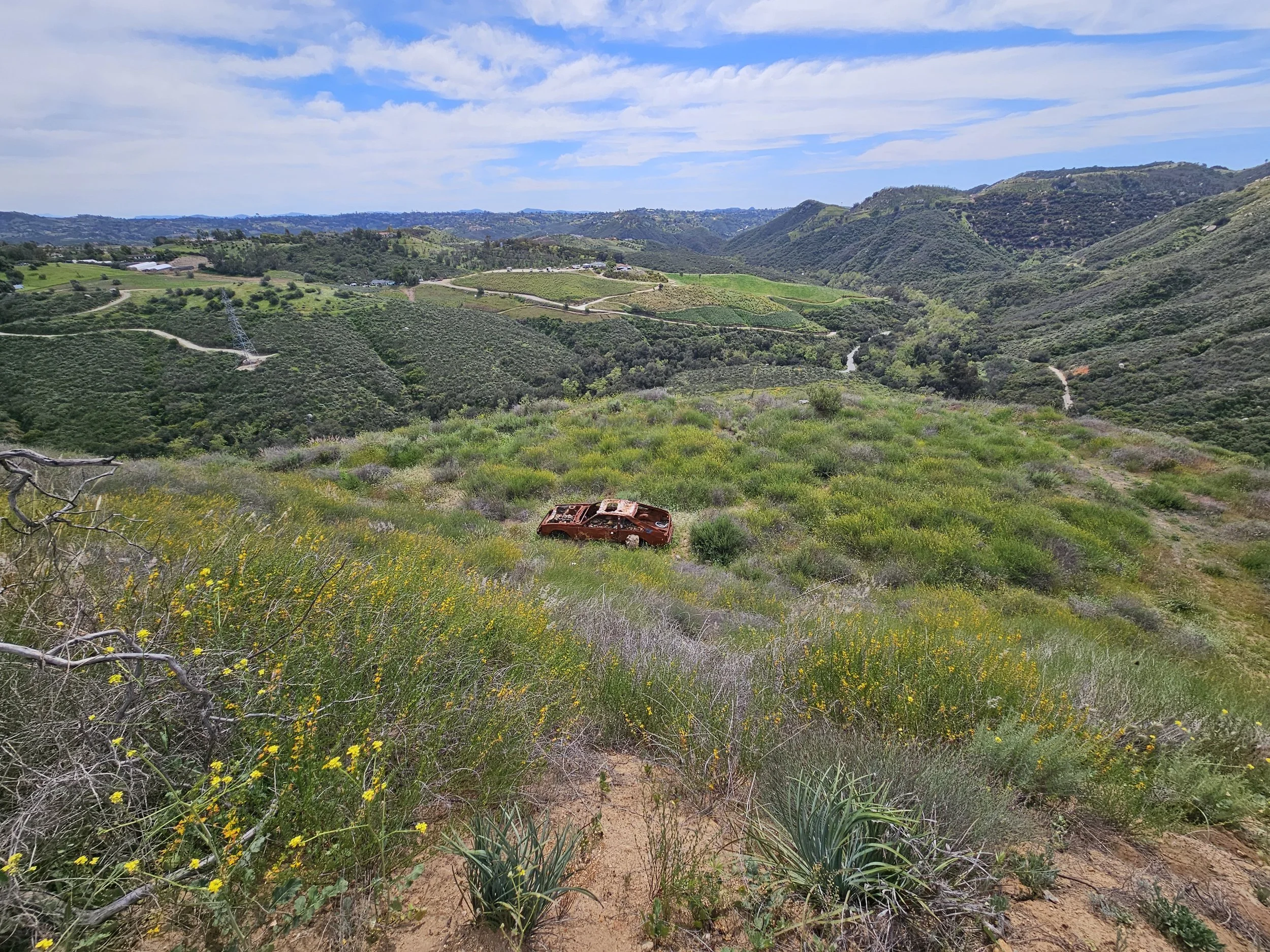
Rock Mountain Preserve is an iconic visual landmark in Fallbrook, looking north towards De Luz. It is home to many different flora and fauna (seen below, photographed by Kristen Richardson during a docent-led hike.)